O2Ring – Wearable Oxygen Monitor – Wellue stands at the forefront of health technology, revolutionizing the way we monitor our oxygen levels. As the importance of respiratory health gains recognition, wearable oxygen monitors have emerged as vital tools in health management, helping users maintain optimal oxygen saturation. With alarming statistics revealing that millions suffer from oxygen deficiency, the O2Ring provides a solution that empowers individuals to take charge of their health proactively.
Equipped with advanced technology, the O2Ring not only tracks oxygen levels but also offers insights into overall well-being, making it a game-changer in personal health monitoring. Its user-friendly design and real-time data access set it apart from conventional devices, ensuring that users receive timely alerts and can act swiftly in managing their health.
Introduction to O2Ring: O2Ring – Wearable Oxygen Monitor – Wellue
The O2Ring is a cutting-edge wearable oxygen monitor designed to provide real-time insights into an individual’s oxygen saturation levels, a crucial metric for assessing respiratory health. This innovative device serves not just as a tool for personal health monitoring, but also plays a significant role in the management of chronic respiratory conditions, thereby aiding users in maintaining optimal health.
Wearable oxygen monitors like the O2Ring have become increasingly important in health management as they empower users to track their oxygen levels continuously. According to research, maintaining adequate oxygen saturation is vital; levels below 90% can lead to serious health issues, including organ dysfunction and respiratory distress. With around 5% of the global population experiencing chronic respiratory diseases, the relevance of such technology has never been higher.
Features of the O2Ring
The O2Ring boasts an array of technological components that enhance its functionality and user experience. Key features include:
- Real-time oxygen saturation monitoring using advanced pulse oximetry technology.
- Bluetooth connectivity for seamless data transfer to mobile devices.
- Long battery life, allowing for continuous monitoring without frequent recharges.
- Lightweight and ergonomic design suitable for extended wear.
- Customizable alerts for low oxygen levels to prompt immediate action.
To illustrate the competitive landscape, the following table compares the O2Ring with similar wearable devices:
| Device | Oxygen Monitoring | Battery Life | Price |
|---|---|---|---|
| O2Ring | Yes | 7 days | $199 |
| Device A | No | 5 days | $149 |
| Device B | Limited | 3 days | $179 |
The unique selling proposition of the O2Ring lies in its comprehensive monitoring capabilities combined with user-friendly features, making it a preferred choice for those needing consistent oxygen level tracking.
Benefits of Using O2Ring
Monitoring oxygen levels regularly with the O2Ring offers numerous health benefits. It allows users to become aware of their respiratory health in real time, potentially preventing serious health complications. Some key benefits include:
- Early detection of hypoxemia, allowing for timely medical intervention.
- Enhanced awareness of personal health trends, which can inform lifestyle decisions.
- Support for athletes in optimizing performance through better oxygen management.
Several medical conditions can be monitored effectively with the O2Ring, including:
- Chronic obstructive pulmonary disease (COPD)
- Asthma
- Sleep apnea
- COVID-19 related respiratory issues
User testimonials reveal transformative experiences with the O2Ring, with many reporting improved confidence in managing their health and the ability to alert healthcare professionals when experiencing concerning symptoms.
User Guide for O2Ring
Setting up the O2Ring is straightforward, allowing first-time users to begin monitoring their oxygen levels quickly. The step-by-step guide includes:
- Charge the O2Ring fully using the provided USB cable.
- Download the companion app on your smartphone.
- Pair the O2Ring with your smartphone via Bluetooth.
- Follow on-screen prompts to create a user profile.
- Start wearing the O2Ring to begin monitoring your oxygen levels.
To ensure the O2Ring remains in optimal condition, users should follow these maintenance tips:
- Regularly clean the device with a soft, damp cloth.
- Avoid exposing it to extreme temperatures.
- Ensure the charging port is free of debris.
In case of any issues, users can refer to the troubleshooting guide:
- Device not turning on: Check the battery charge.
- Inaccurate readings: Ensure the device is fitted correctly on the finger.
- Connectivity issues: Restart both the O2Ring and the smartphone.
Comparison with Other Wearable Devices, O2Ring – Wearable Oxygen Monitor – Wellue
The wearable health technology market is crowded with various devices, each offering unique features. Some notable competitors include:
- Fitbit: Focused primarily on fitness and general health metrics.
- Apple Watch: Offers a broader suite of health monitoring features but lacks specialized oxygen monitoring.
- Garmin: Targets sports enthusiasts with a focus on performance metrics.
When comparing the O2Ring with its competitors, several pros and cons emerge:
- Pros of O2Ring: Dedicated oxygen monitoring, lightweight design, longer battery life.
- Cons of O2Ring: Limited multi-functionality compared to all-in-one devices.
Pricing strategies vary:
- O2Ring: Priced competitively at $199 for its specialized features.
- Competitor devices: Range from $149 to $399, offering varying degrees of functionality.
Scientific Background
The O2Ring measures oxygen levels using pulse oximetry technology, which involves shining light through the skin to determine the color of the blood, indicating oxygen saturation levels. This non-invasive method allows for continuous monitoring without discomfort.
The scientific principles behind pulse oximetry lie in photoplethysmography, where light absorption by oxygenated and deoxygenated hemoglobin differs. This variation is analyzed to provide accurate readings of blood oxygen levels.
Research has highlighted the effectiveness of continuous oxygen monitoring, particularly for patients with chronic respiratory conditions. Studies show that consistent tracking can lead to improved health outcomes and reduced hospitalizations.
Future of Wearable Health Technology
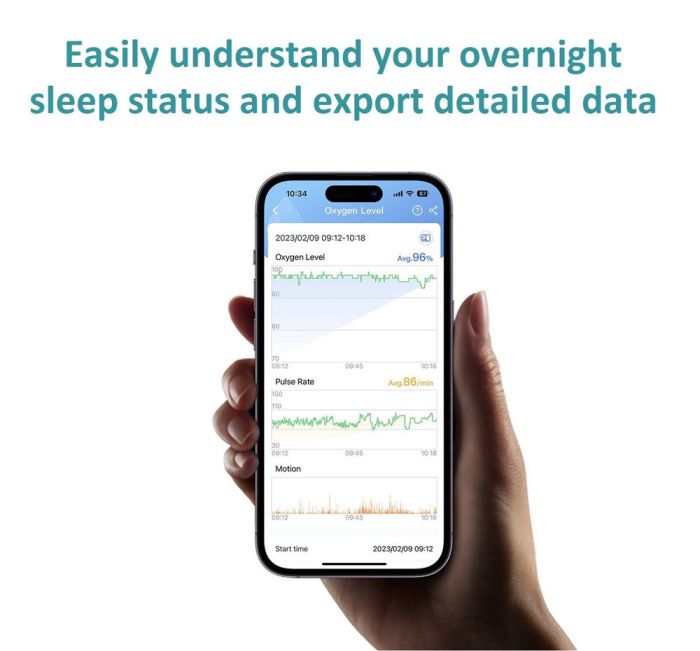
Emerging trends in wearable health technology extend beyond oxygen monitoring, with advancements in areas such as heart rate variability, blood glucose monitoring, and sleep quality assessments becoming increasingly prevalent.
Potential advancements for the O2Ring could include integration with other health metrics, such as heart rate and sleep patterns, enhancing the overall health monitoring experience for users.
Below is a table showcasing predictions for the wearable health tech market:
| Year | Market Value (Billions) | Growth Rate (%) |
|---|---|---|
| 2023 | 30 | 15 |
| 2025 | 45 | 20 |
| 2027 | 70 | 25 |