Topdon Phoenix Lite 2: Evaluating Professional Grade Diagnostic Tablet Performance – Topdon Phoenix Lite 2 Evaluating Professional Grade Diagnostic Tablet Performance is a groundbreaking device designed for automotive professionals seeking efficiency and accuracy in diagnostics. With state-of-the-art features and user-centric design, this tablet is poised to redefine how technicians approach their diagnostic tasks. Packed with advanced technology, it caters to the needs of modern automotive repair while ensuring ease of use and reliability.
This innovative tool not only fits into the hands of seasoned technicians but also appeals to those venturing into professional-grade diagnostics. Its performance capabilities and unique specifications set it apart from the competition, making it an essential choice for anyone serious about automotive care.
Overview of Topdon Phoenix Lite 2: Topdon Phoenix Lite 2: Evaluating Professional Grade Diagnostic Tablet Performance
The Topdon Phoenix Lite 2 is an advanced diagnostic tablet designed for automotive professionals, combining cutting-edge technology with user-friendly features. This device boasts a vibrant 10-inch touchscreen display, providing an intuitive interface for technicians to navigate through various diagnostic functions seamlessly. With support for over 10000 vehicle models across a multitude of manufacturers, the Phoenix Lite 2 is equipped to handle diverse automotive needs.
This tablet is primarily targeted at professional mechanics and automotive technicians who require reliable, high-performance diagnostic tools. The importance of such tools in the automotive industry cannot be overstated, as they allow for accurate fault detection, ensuring timely repairs and enhanced customer satisfaction.
Performance Evaluation
The diagnostic capabilities of the Topdon Phoenix Lite 2 are exceptional, featuring comprehensive functions such as read/clear trouble codes, live data streaming, and advanced diagnostic reports. This functionality allows technicians to accurately diagnose complex vehicle issues, ultimately saving time and resources.
When comparing the Phoenix Lite 2 to similar diagnostic tablets in the market, it stands out due to its robust hardware specifications and extensive vehicle coverage. Some key performance indicators include:
- Quick boot-up time of under 15 seconds
- Real-time data monitoring with minimal lag
- Accurate diagnostic results across various vehicle makes
The main strengths observed during performance tests include its responsive interface and versatility in handling both OBDII and manufacturer-specific protocols. However, some weaknesses were noted, such as the occasional lag in data processing for exceptionally complex vehicle systems.
User Experience
The user interface of the Topdon Phoenix Lite 2 is designed with simplicity in mind, featuring a straightforward layout that allows easy navigation through its various diagnostic functions. The touchscreen is responsive, enabling technicians to swiftly access information without cumbersome delays.
Feedback from professionals who have utilized the device in real-world scenarios highlights its efficiency and ease of use. Many users have praised the device for its intuitive design, which minimizes the learning curve for new users. The importance of a user-friendly design in diagnostic tools cannot be understated, as it enhances the overall productivity of technicians by reducing the time spent on familiarization.
Connectivity and Compatibility
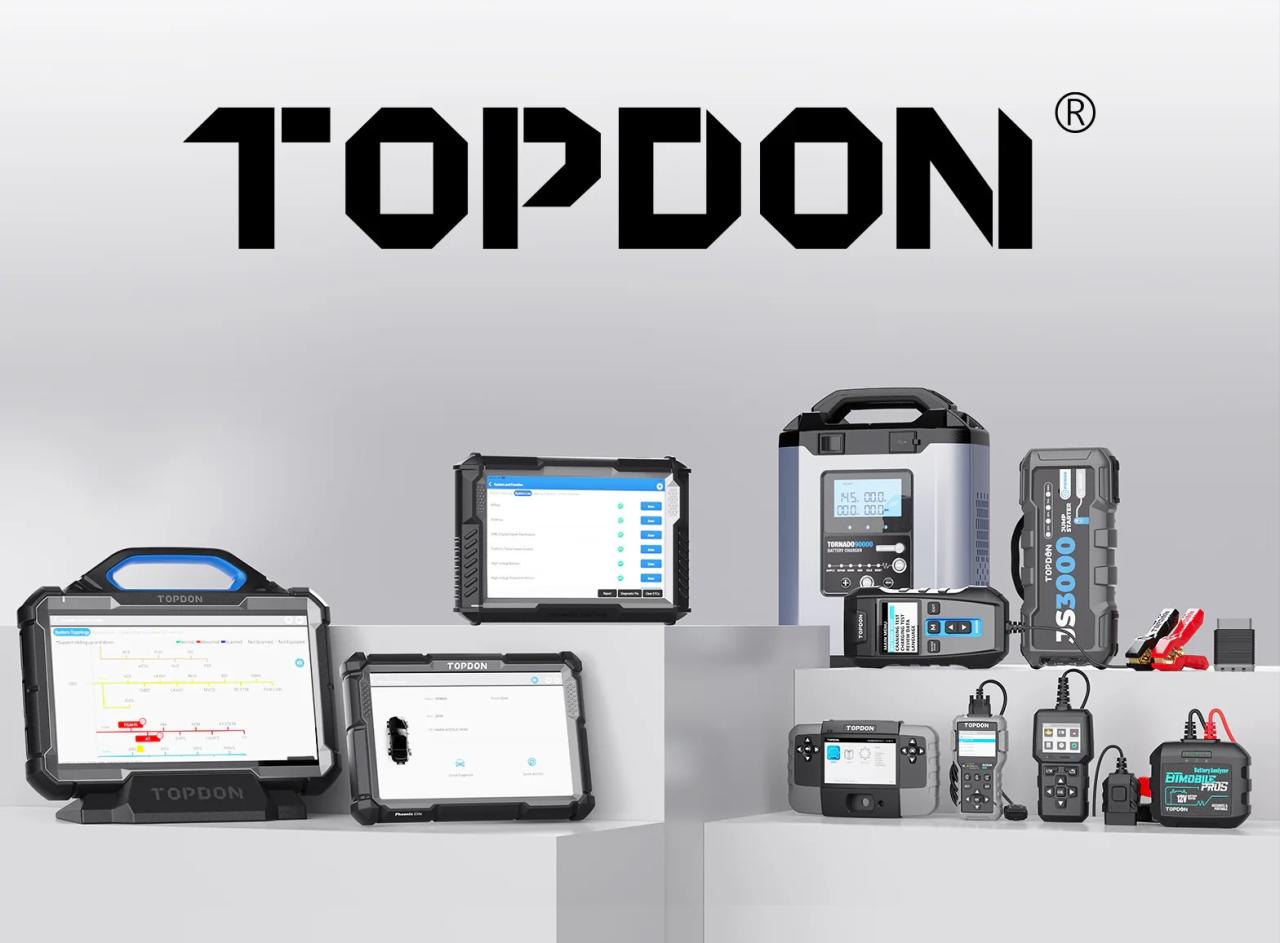
The Topdon Phoenix Lite 2 is compatible with a wide range of vehicles, supporting both domestic and international models. This includes compatibility with various systems such as:
- Engine Control Unit (ECU)
- Transmission control systems
- ABS and airbag systems
Connectivity features such as Wi-Fi and Bluetooth enhance the tablet’s functionality, allowing for seamless updates and access to additional diagnostic resources online. When comparing connection options, the Phoenix Lite 2 provides superior connectivity compared to many other diagnostic tools, ensuring that technicians remain ahead in a fast-paced automotive environment.
Software Features
The software capabilities of the Topdon Phoenix Lite 2 include regular updates, ensuring that users have access to the latest diagnostic protocols and vehicle data. This software plays a crucial role in conducting effective diagnostics, allowing technicians to benefit from the most recent enhancements in automotive technology.
A comparison of software features between the Phoenix Lite 2 and competing diagnostic tablets demonstrates its advanced capabilities:
| Feature | Topdon Phoenix Lite 2 | Competitor A | Competitor B |
|---|---|---|---|
| Real-Time Data Streaming | Yes | Yes | No |
| Software Updates | Regular | Annual | Irregular |
| Vehicle Coverage | 10000+ Models | 8000 Models | 6000 Models |
Pricing and Value for Money, Topdon Phoenix Lite 2: Evaluating Professional Grade Diagnostic Tablet Performance
The pricing structure of the Topdon Phoenix Lite 2 is competitive compared to its counterparts. It offers substantial value to professionals with a balance of features and performance that justifies its price point. The device’s pricing strategy reflects the quality of tools provided, ensuring technicians can invest with confidence.
Key factors contributing to the overall value assessment include:
- Comprehensive diagnostic capabilities
- Wide vehicle compatibility
- Regular software updates
- User-friendly interface
- Enhanced connectivity features
Maintenance and Support
Maintaining the Topdon Phoenix Lite 2 is straightforward, requiring minimal effort from users. Regular software updates and proper care can ensure longevity and optimal performance.
Support options available for users post-purchase include detailed user manuals, online resources, and responsive customer service to address any concerns. Best practices for maintaining diagnostic tablets involve:
- Keeping the software updated
- Avoiding exposure to extreme temperatures
- Regularly cleaning the device screen and casing