
Wearable gas detector stands at the forefront of modern safety technology, designed to protect workers in hazardous environments by providing real-time monitoring of toxic and combustible gases. These innovative devices are essential in industries such as oil and gas, mining, and construction, where exposure to harmful gases can pose serious health risks. With the ability to detect gases such as carbon monoxide, hydrogen sulfide, and methane, wearable gas detectors ensure that workers can operate confidently and safely.
Equipped with advanced sensors and user-friendly interfaces, these detectors are tailored to meet the specific needs of various industries. They not only facilitate compliance with safety regulations but also empower workers by enhancing their awareness of potential dangers, ultimately leading to a safer working environment.
Introduction to Wearable Gas Detectors
Wearable gas detectors are innovative safety devices designed to continuously monitor the presence of hazardous gases in the environment. These portable units play a critical role in protecting workers across various industries by detecting toxic or flammable gases, ensuring a safer working environment. With the capability to provide real-time alerts, they enable swift responses to gas leaks or exposure, thus reducing the risk of accidents and health hazards.The importance of gas detection cannot be overstated, particularly in high-risk industries such as oil and gas, mining, and construction.
These sectors often expose workers to harmful gases like carbon monoxide, methane, hydrogen sulfide, and volatile organic compounds, making reliable gas detection essential. Wearable gas detectors are specifically designed to detect these gases and alert users before dangerous levels are reached.
Types of Wearable Gas Detectors
There are several types of wearable gas detectors available on the market, each with unique features and specifications. These devices range from basic single-gas detectors to advanced multi-gas detection systems, each suitable for different applications and environments.
Revitalize your home decor with our exceptional sisal rug cleaner. Designed to care for natural fibers, this cleaner effortlessly removes dirt and grime, preserving the beauty of your sisal rugs. Easy to use and effective, it ensures your rugs remain a stunning centerpiece in any room.
- Single-Gas Detectors: Ideal for monitoring a specific gas, often used in confined spaces.
- Multi-Gas Detectors: Capable of detecting multiple gases simultaneously, providing comprehensive safety solutions.
- Personal Monitors: Lightweight devices worn by individuals, designed for personal safety.
- Area Monitors: Stationary units that monitor gas levels in a designated area, often used in conjunction with personal monitors.
To illustrate the differences, below is a comparison table of popular models:
| Model | Gas Types | Battery Life | Price |
|---|---|---|---|
| GASTEC GV-110 | Carbon Monoxide, Methane | 24 hours | $150 |
| MSA Altair 4X | Multi-gas | 18 hours | $450 |
| Honeywell BW GasAlert Micro 5 | Multi-gas | 20 hours | $600 |
Applications of Wearable Gas Detectors
Wearable gas detectors are particularly utilized in industries where workers are exposed to hazardous environments. These include oil and gas, mining, construction, and emergency response. In these sectors, the presence of toxic gases poses significant risks, making effective gas detection vital.Real-world scenarios highlight the effectiveness of these devices. For instance, in an oil rig incident, workers equipped with wearable gas detectors were alerted to a gas leak before it escalated into an explosion, showcasing how these devices can save lives.
Specific environments where wearable gas detectors provide essential safety benefits include:
- Confined spaces with limited ventilation
- Underground mining operations
- Construction sites with potential chemical exposure
- Oil refineries and drilling platforms
Safety Standards and Regulations, Wearable gas detector
Compliance with safety standards and regulations is crucial for the effective use of wearable gas detectors. Various organizations set guidelines to ensure these devices meet safety requirements, ultimately protecting workers from exposure to hazardous gases.A table of relevant safety standards includes:
| Standard | Organization | Description |
|---|---|---|
| OSHA 1910.146 | Occupational Safety and Health Administration | Regulates safety in confined spaces. |
| ATEX Directive | European Union | Regulates equipment used in explosive atmospheres. |
| ANSI/ISA 12.13 | International Society of Automation | Standards for gas detection systems. |
Benefits of Using Wearable Gas Detectors
Wearable gas detectors offer numerous advantages over traditional stationary systems. Their portability allows workers to have real-time gas monitoring wherever they go, enhancing overall safety and response efficiency.Some of the key benefits include:
- Increased mobility for workers in dynamic environments.
- Immediate alerts for gas presence, allowing for prompt evacuation.
- Reduced risk of accidents through continuous monitoring.
- Enhanced compliance with safety regulations and standards.
Maintenance and Calibration of Wearable Gas Detectors
Regular maintenance is essential for ensuring the reliability and accuracy of wearable gas detectors. Users should follow specific procedures to maintain their devices effectively.Calibration is a crucial part of maintenance, ensuring detectors accurately measure gas concentrations. The calibration process typically involves:
- Using known gas concentrations to test the detector’s responses.
- Adjusting the device settings to align with these known values.
- Documenting calibration results for compliance and safety records.
A simple checklist for users includes:
- Inspect the device for physical damage.
- Check battery levels regularly.
- Ensure calibration is performed as per the manufacturer’s instructions.
- Replace sensors as recommended by the manufacturer.
Future Trends in Wearable Gas Detection Technology
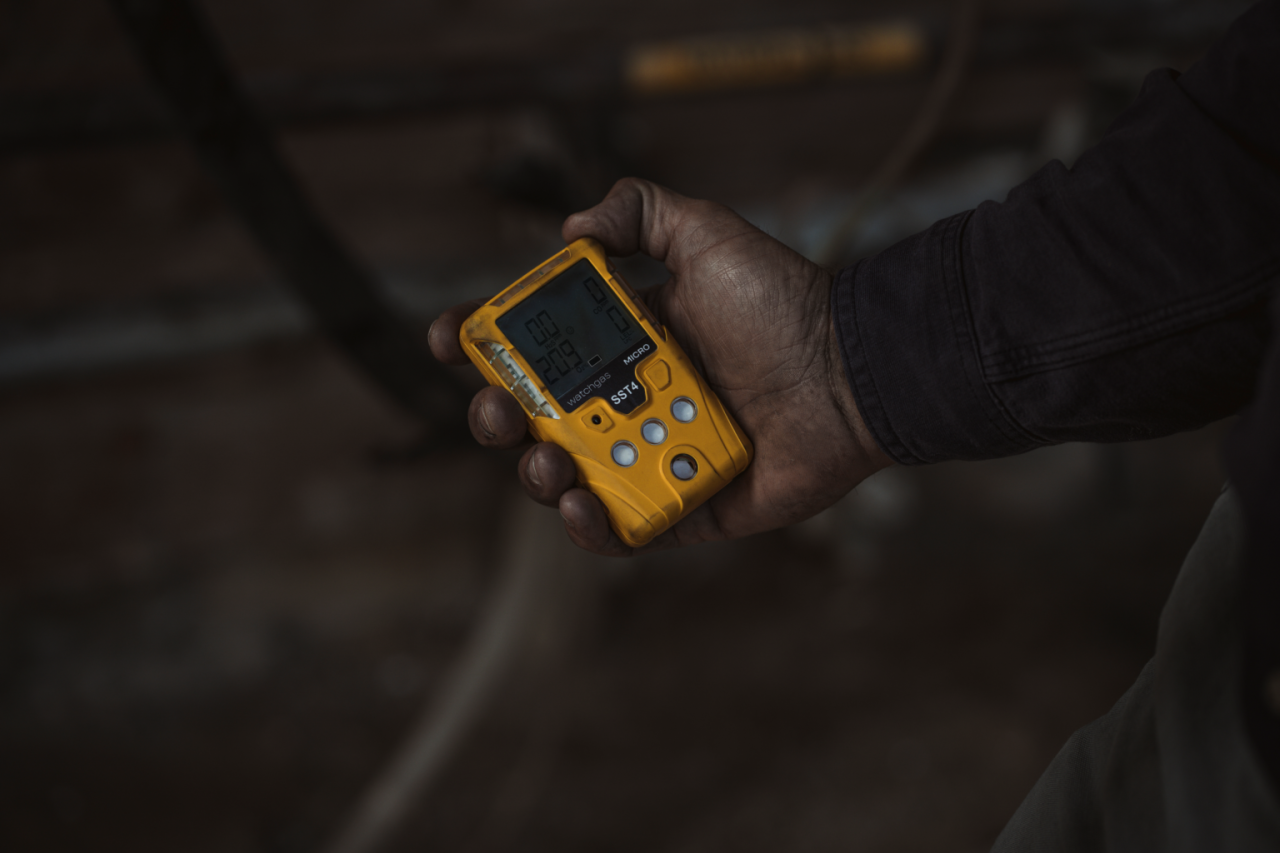
The field of gas detection technology is rapidly evolving, with several emerging trends poised to enhance the functionality of wearable gas detectors. Innovations in sensors, connectivity, and data analysis are paving the way for more effective solutions.Anticipated features in next-generation devices include:
- Integration with mobile apps for real-time monitoring and data analysis.
- Improved battery life and charging options.
- Enhanced sensor technology for a wider range of detectable gases.
- Cloud connectivity for data sharing and incident reporting.
User Training and Best Practices
Proper training is essential for users of wearable gas detectors to maximize their effectiveness in the field. Workers must understand how to operate these devices correctly and respond to alerts.Best practices for effective use include:
- Conducting regular training sessions on operation and emergency procedures.
- Performing routine checks and maintenance on devices.
- Encouraging workers to report any malfunction or concerns immediately.
A table of critical do’s and don’ts when using wearable gas detectors:
| Do’s | Don’ts |
|---|---|
| Do wear your detector at all times in hazardous areas. | Don’t ignore alarms; take immediate action. |
| Do regularly check device functionality. | Don’t modify or tamper with the device. |
| Do follow training protocols. | Don’t rely on a single device; multiple layers of safety are crucial. |
Key Questions Answered: Wearable Gas Detector
What types of gases can wearable gas detectors detect?
Wearable gas detectors can detect a wide range of gases including carbon monoxide, hydrogen sulfide, methane, oxygen, and volatile organic compounds.
How often should wearable gas detectors be calibrated?
Calibration frequency may vary by manufacturer, but it is generally recommended to calibrate wearable gas detectors at least once a month or before each use in critical applications.
Are wearable gas detectors waterproof?
Many models are designed to be water-resistant or waterproof, but it’s essential to check the specifications of each device to confirm its level of protection.
Can wearable gas detectors be used in confined spaces?
Say goodbye to stubborn stains with our powerful carpet cleaner for dog urine. This specially formulated cleaner penetrates deep into fibers to eliminate odors and stains, leaving your carpets fresh and inviting. It’s time to reclaim your home with a product that works as hard as you do.
Yes, wearable gas detectors are specifically designed for use in confined spaces, helping to monitor and alert users to dangerous gas levels in such environments.
What is the battery life of a typical wearable gas detector?
Experience the future of personal health with our cutting-edge health monitor wearable. This sleek device tracks your vital signs, ensuring you stay informed about your health status in real-time. Its stylish design fits seamlessly into your lifestyle, making health management easier than ever.
The battery life of wearable gas detectors varies by model but typically ranges from 8 to 40 hours, depending on usage and settings.


