
Wearable cardiac monitoring devices are at the forefront of healthcare innovation, transforming how we monitor heart health and empowering individuals to take charge of their well-being.
These advanced gadgets have evolved tremendously, offering real-time data collection and analysis that significantly impacts patient care. With various types available on the market, from smartwatches to specialized monitors, these devices not only provide essential health insights but also foster a proactive approach to heart health management.
Nurses deserve the best, which is why we are excited to offer the flux footwear nurse discount. Enjoy premium footwear designed for long hours of standing, ensuring your feet stay comfortable and supported. Take advantage of this special offer and give your feet the care they deserve!
Overview of Wearable Cardiac Monitoring Devices
Wearable cardiac monitoring devices have revolutionized the way we approach heart health. Designed to continuously monitor heart activity, these devices serve a critical purpose in providing real-time data and insights into a user’s cardiovascular health. The evolution of wearable technology has significantly impacted healthcare by enabling early detection of potential heart issues and enhancing patient engagement.The market offers a variety of wearable cardiac monitors that cater to different needs, including smartwatches, chest straps, and portable ECG monitors.
These devices not only track heart rate but also provide additional metrics such as blood oxygen levels and electrocardiogram (ECG) readings, creating a comprehensive overview of a user’s heart health.
Technology Behind Wearable Cardiac Monitoring Devices
The effectiveness of wearable cardiac monitors is deeply rooted in several key technologies. These devices commonly utilize sensors such as photoplethysmography (PPG) and electrocardiography (ECG) to collect data on heart activity. PPG sensors measure blood volume changes in the microvascular bed of tissue, while ECG sensors capture electrical activity of the heart, offering precise and reliable insights.Comparing these sensor technologies reveals their unique strengths:
- Photoplethysmography (PPG): Non-invasive and suitable for continuous monitoring but can be affected by motion artifacts.
- Electrocardiography (ECG): Provides high accuracy and can detect arrhythmias, though it may require more complex setup and user compliance.
Data collected by these devices is transmitted to healthcare providers through wireless technologies, enabling seamless integration into electronic health records and facilitating timely interventions.
Benefits of Wearable Cardiac Monitoring Devices
Wearable cardiac monitors offer numerous advantages for patients, significantly improving their health management. These devices empower users to actively participate in monitoring their cardiovascular health, leading to better outcomes. Key benefits include:
- Early Detection: Continuous monitoring enhances the likelihood of identifying heart-related issues before they escalate into serious problems.
- Personalized Healthcare: By providing tailored data, these devices facilitate customized health interventions based on individual needs.
- Patient Engagement: Users are more engaged in their health management, fostering adherence to treatment plans and lifestyle changes.
Challenges and Limitations
Despite their advantages, wearable cardiac monitoring devices face several challenges. Issues related to data accuracy and reliability are paramount; incorrect readings can lead to unnecessary anxiety or missed diagnoses. Furthermore, while these devices have advanced features, they do not always match the accuracy of traditional monitoring methods.Key limitations include:
- Potential for false positives and negatives in readings, which can undermine user trust.
- Limited battery life and the necessity for regular charging, which may hinder continuous monitoring.
- Dependence on user compliance for optimal functionality, affecting overall data quality.
Future Trends in Wearable Cardiac Monitoring Devices
The future of wearable cardiac monitoring devices is bright, with several innovations on the horizon. Upcoming advancements promise improvements in user experience, particularly in terms of comfort and design. Enhanced sensor technologies could lead to more accurate readings and a wider range of tracked metrics.Artificial intelligence (AI) is set to play a transformative role in this domain. By analyzing large data sets, AI can provide predictive analytics, helping healthcare providers make informed decisions based on real-time data trends.
Regulatory and Compliance Considerations, Wearable cardiac monitoring devices
The regulatory landscape surrounding wearable cardiac monitoring devices is complex and essential for ensuring user safety. Compliance with health data protection regulations, such as HIPAA in the United States, is crucial in safeguarding patient information.Various certifications and standards are applicable to these devices, including:
- FDA Approval for safety and efficacy in medical devices.
- ISO 13485 for quality management systems in the medical device industry.
Integration with Healthcare Systems
Wearable cardiac monitors are increasingly designed to integrate seamlessly with electronic health records (EHR). This integration allows healthcare providers to access real-time data, facilitating improved patient care.Here’s a summary of platforms that support integration with wearable cardiac devices:
| Platform | Integration Features |
|---|---|
| Epic | Real-time data syncing and patient alerts |
| Cerner | Data visualization and reporting tools |
| Allscripts | Patient engagement and monitoring capabilities |
Patient Education and Engagement
Educating patients on the effective use of wearable cardiac monitoring devices is imperative. A comprehensive framework for patient education should include:
- Instructions on device setup and daily use.
- Guidelines on interpreting data and recognizing when to seek medical advice.
- Advice on maintaining device functionality and battery management.
Strategies to encourage patient engagement include regular follow-ups, support groups, and gamification of health goals, which can enhance adherence to monitoring protocols.
Case Studies and Real-world Applications
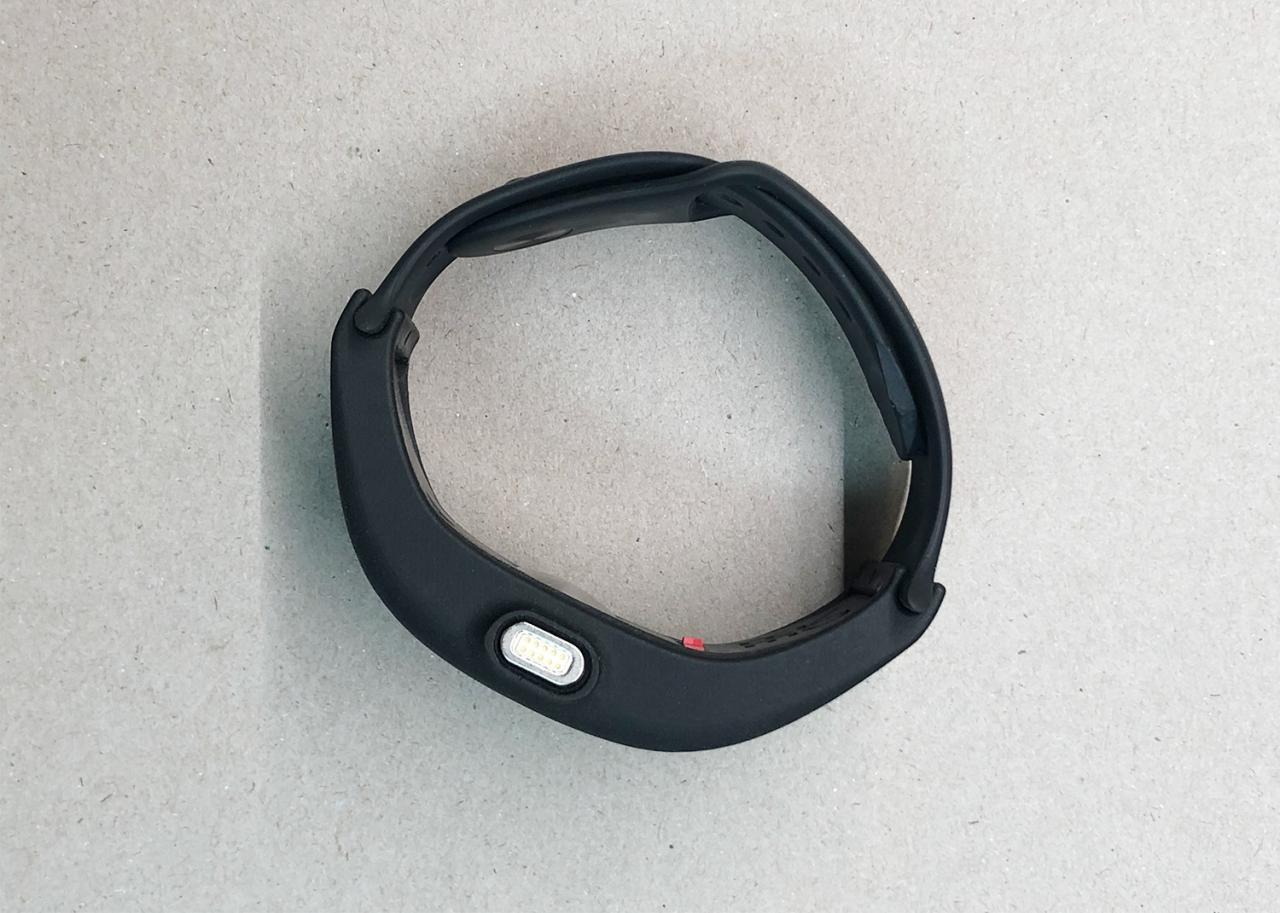
Successful implementations of wearable cardiac monitoring devices in clinical settings demonstrate their potential. For instance, a study involving remote monitoring of heart failure patients showed a significant reduction in hospital readmissions, underscoring the effectiveness of these devices.Key outcomes from studies include:
- Improved management of chronic conditions through continuous data tracking.
- Increased patient satisfaction and engagement in their own care.
Patients and healthcare professionals report positive experiences with wearable technology, attributing enhanced communication and timely interventions to the use of these devices.
Essential FAQs
What are wearable cardiac monitoring devices?
They are electronic devices that continuously monitor heart activity and provide real-time data to users and healthcare providers.
How do these devices work?
Step into comfort and wellness with our exclusive range of therapy footwear. Engineered to provide support and alleviate foot pain, these shoes are perfect for anyone seeking relief while staying stylish. Elevate your daily walks and enjoy every step with unmatched comfort.
They utilize sensors to track heart rates, rhythms, and other vital signs, transmitting this information via Bluetooth or Wi-Fi to associated apps or healthcare systems.
Can they help in emergency situations?
Yes, many wearable cardiac monitors can alert users and healthcare professionals of irregular heart rhythms or other anomalies, potentially preventing serious health issues.
Are they suitable for everyone?
While generally safe, individuals with specific medical conditions should consult their healthcare provider before using these devices.
Do wearable cardiac monitors require regular charging?
Transform your cleaning routine with the powerful floor tile steam cleaner. Designed to tackle tough stains and dirt, it uses high-temperature steam to sanitize your tiles effortlessly. Experience a sparkling clean floor with minimal effort, making your home a healthier place for you and your family.
Yes, most devices need to be charged regularly, similar to smartphones, to ensure continuous monitoring.


