
Grout deep cleaner is your ultimate solution for restoring the beauty of tiled spaces. With the right grout cleaning products, you not only enhance the appearance of your tiles but also extend their lifespan, making your home shine like never before. Clean grout can dramatically transform your kitchen and bathroom, leaving them looking fresh and inviting.
From chemical-based cleaners to natural alternatives, the market offers a variety of options tailored to tackle even the toughest grime and stains. This guide will explore the different types of grout deep cleaners available, effective DIY recipes, essential tools for the job, and much more.
Importance of Grout Deep Cleaner
In the realm of home maintenance, a clean and well-maintained grout is crucial for both the aesthetic appeal and longevity of tiled surfaces. Grout deep cleaners play a vital role in achieving this cleanliness, making them an indispensable tool for homeowners and cleaning professionals alike.Using a specialized grout deep cleaner not only enhances the appearance of tiles but also prolongs their lifespan.
Grout, being porous, can easily absorb dirt, stains, and moisture, leading to discoloration and mold growth. A deep cleaner effectively penetrates these layers of grime, ensuring that your tiled surfaces remain vibrant and inviting. Moreover, clean grout contributes significantly to the overall look of a tiled area, creating a fresh and polished environment that reflects care and attention to detail.
Step up your style with Fred Perry footwear , where timeless design meets modern comfort. Perfect for any occasion, these shoes elevate your outfit while ensuring all-day support. And when your adventures leave a mark, don’t forget to refresh your gear with the best in cleaning solutions. For instance, our saltwater sol cleaner is specifically formulated to tackle tough stains, ensuring your footwear remains pristine.
Types of Grout Deep Cleaners
The market offers a variety of grout deep cleaners, each designed to tackle different types of stains and grime effectively. Understanding the differences can help you choose the right product for your needs.
- Natural Cleaners: These are typically made from biodegradable ingredients and are safer for the environment. Common examples include vinegar and baking soda, which can effectively lift stains without harsh chemicals.
- Chemical-Based Cleaners: These cleaners contain powerful chemicals that can break down tough stains and mildew. They are generally more effective for heavy-duty cleaning but require careful handling due to their potent nature.
- Popular Products: Some well-known grout deep cleaning products include Zep Grout Cleaner, which is excellent for tough stains, and Rejuvenate Grout Cleaner, known for its eco-friendly formulation and efficiency.
DIY Grout Deep Cleaner Recipes
Creating your own grout deep cleaner at home can be both economical and effective. Here are some simple recipes using common household ingredients.
- Vinegar and Baking Soda Paste: Mix equal parts of baking soda and water, then add vinegar until it forms a paste. Apply this mixture to the grout lines, let it sit for 10-15 minutes, and scrub with a brush.
- Lemon Juice and Cream of Tartar: Combine lemon juice and cream of tartar to create a thick paste. Apply to grout, allow it to dry, and scrub off for a fresh clean.
The effectiveness of natural cleaning solutions can rival that of commercial products, particularly for routine maintenance. However, for deep-set stains, commercial cleaners may yield faster results.
Tools and Equipment for Grout Cleaning
Proper tools are essential for an effective grout cleaning session. Here are the must-have items to achieve a thorough clean.
- Stiff-Bristled Brush: A good-quality brush can reach the crevices of grout lines and is essential for a deep clean.
- Bucket: Useful for mixing cleaning solutions and rinsing brushes.
- Steam Cleaner: A steam cleaner is highly effective for deep cleaning grout without the need for harsh chemicals, using hot water vapor to loosen dirt and stains.
Step-by-Step Grout Cleaning Process
For an effective grout cleaning, follow these steps for the best results.
- Preparation: Clear the area of any furniture and sweep the floor to remove loose debris.
- Apply Cleaner: Use your chosen grout cleaner, either commercial or homemade, and apply it liberally to the grout lines.
- Let it Sit: Allow the cleaner to penetrate the grime for 10-15 minutes.
- Scrub the Grout: Use your stiff-bristled brush to scrub the grout lines vigorously.
- Rinse the Area: Mop the floor with clean water to remove any cleaner residue.
- Dry the Grout: Finally, dry the area to prevent moisture buildup, which can lead to mold growth.
To maintain grout cleanliness after deep cleaning, regular maintenance with a mild cleaner and a quick brush can help keep stains at bay.
Safety Precautions When Using Grout Cleaners
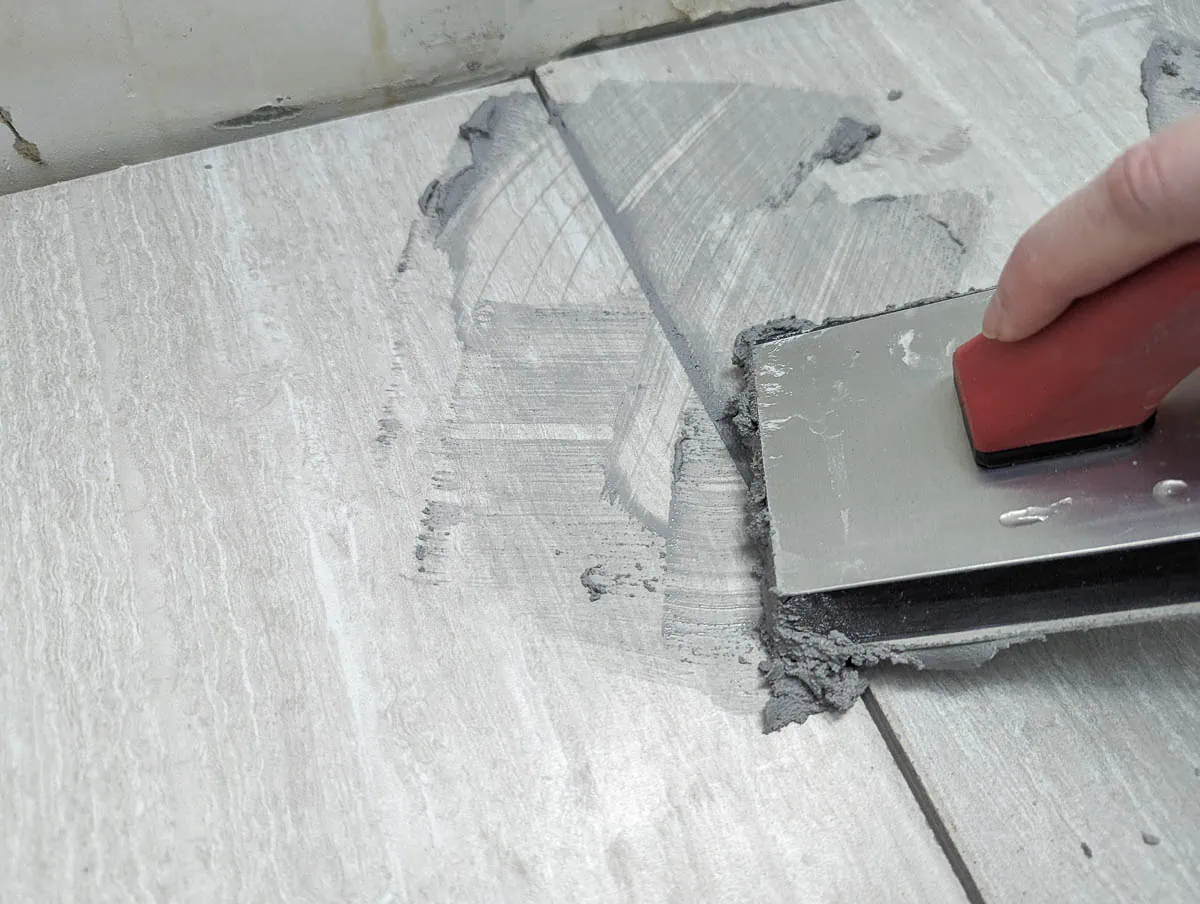
Safety should always be a priority when dealing with cleaners, especially chemical-based ones. Here are some important safety measures to consider.
- Wear Protective Gear: Use gloves and goggles to protect your skin and eyes from potential splashes.
- Ensure Proper Ventilation: Open windows and doors to ventilate the area, minimizing inhalation of fumes.
- Read Labels Carefully: Always follow the manufacturer’s instructions and safety guidelines listed on the product label.
Common Mistakes to Avoid
Mistakes during the grout cleaning process can lead to damage and ineffective results. Here are common pitfalls to avoid.
- Using the Wrong Cleaner: Using a cleaner not suited for your specific grout type can cause discoloration or damage.
- Neglecting to Rinse: Failing to rinse off the cleaner can leave residue that attracts dirt.
- Scrubbing Too Hard: Aggressive scrubbing can wear away the grout, leading to cracks and gaps.
Maintaining Clean Grout
To keep grout clean and stain-free, implementing a consistent maintenance schedule is key.
- Weekly Cleaning: Regularly mop the floor with a mild detergent to prevent grime buildup.
- Monthly Deep Cleaning: Schedule a deeper clean using a grout cleaner every month to maintain its appearance.
- Sealing Grout: After deep cleaning, consider applying a grout sealer to protect against stains and moisture.
This maintenance routine will ensure that your grout remains in pristine condition, enhancing the overall beauty of your tiled surfaces.
FAQ Overview
How often should I deep clean my grout?
It’s recommended to deep clean grout every 6 to 12 months, depending on usage and exposure to dirt.
Your home deserves the best, and our sisal rug cleaner ensures your rugs look as good as new. Designed to effectively remove dirt and stains, this cleaner maintains the natural beauty of your sisal rugs while keeping them fresh. When paired with stylish decor like Fred Perry footwear , your living space will truly shine.
Can I use bleach to clean my grout?
Yes, bleach can be effective for cleaning grout, but it should be used cautiously, as it can damage colored grout.
Are natural grout cleaners as effective as chemical ones?
Natural grout cleaners can be effective for light stains, but heavily soiled grout may require chemical cleaners for thorough results.
What tools do I need for cleaning grout?
You will need a stiff-bristled brush, a bucket, and possibly a steam cleaner for the best results in grout cleaning.
Is sealing grout necessary after cleaning?
Yes, sealing grout after deep cleaning is advisable to protect it from stains and moisture.


