
Foam kitchen cleaner is your ultimate solution for achieving a sparkling and hygienic kitchen effortlessly. This innovative cleaning product not only tackles grime and grease but also enhances the overall cleanliness of your kitchen surfaces. With a wide range of options available, foam cleaners combine convenience and effectiveness, making them a must-have in every home.
Originating from traditional cleaning methods, foam kitchen cleaners have evolved significantly over the years. They are designed to cling to surfaces, ensuring that dirt and stains are effectively lifted without the need for excessive scrubbing. The benefits of using foam-based products are numerous, including reduced waste and improved cleaning power compared to conventional cleaners.
Transform your cleaning routine with our effective scrub for floor cleaning. This powerful scrub is specially formulated to tackle tough stains and grime, making your floors sparkle like new. Whether it’s for home or office use, experience effortless cleaning and a pristine finish every time!
Introduction to Foam Kitchen Cleaners
Foam kitchen cleaners have revolutionized the way households tackle kitchen cleaning tasks, providing an effective solution to grease, grime, and food residues. Characterized by their thick, rich foam, these cleaners cling to surfaces, allowing for deeper penetration and easier removal of tough stains. The benefits of foam-based cleaners over traditional liquids are numerous: they reduce the amount of product needed, minimize mess during application, and often offer superior cleaning power.
The evolution of foam kitchen cleaners can be traced back to the desire for more efficient and user-friendly cleaning options, leading to the innovative formulations available today.
Types of Foam Kitchen Cleaners
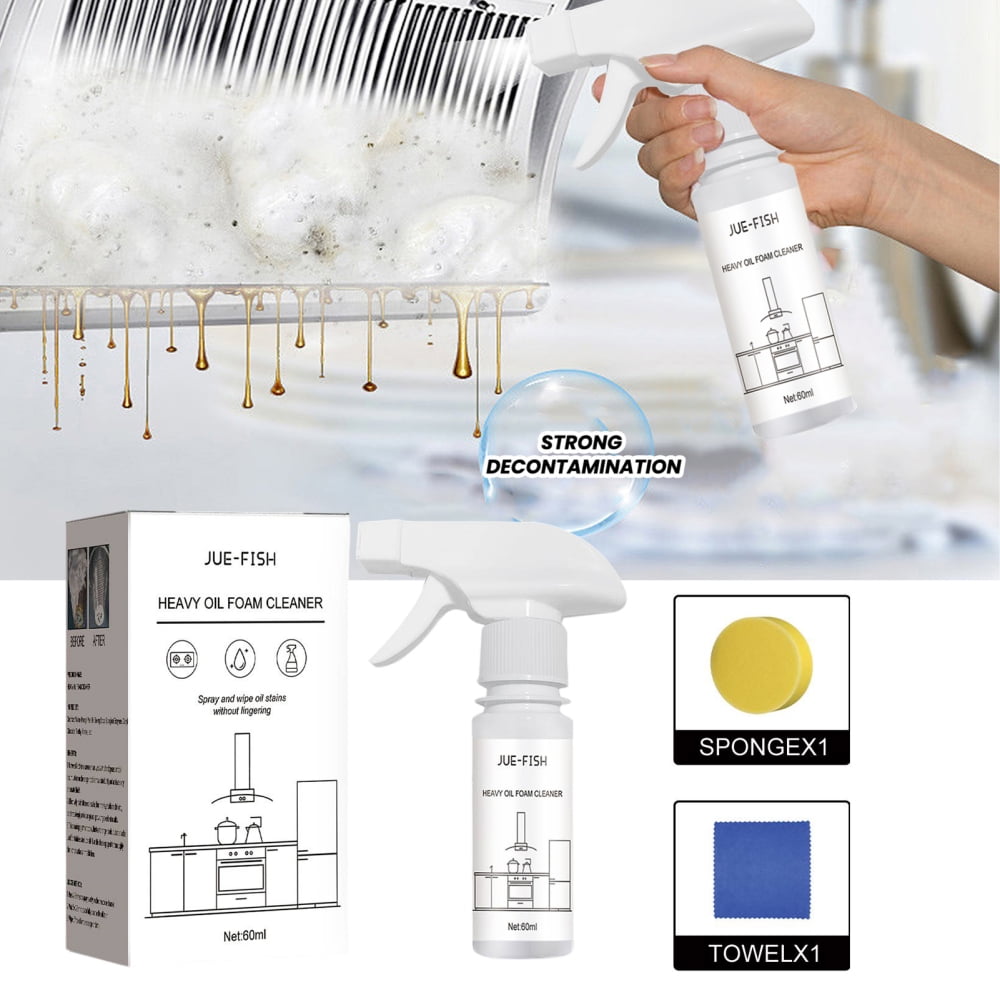
The market offers various types of foam kitchen cleaners tailored to different cleaning needs. These include:
- Spray Foam: Ideal for quick cleaning tasks, spray foam is easy to apply and is effective on a variety of surfaces.
- Gel Foam: This thicker formulation adheres well to vertical surfaces, making it suitable for cleaning ovens and stovetops.
When comparing eco-friendly foam cleaners to conventional options, it is essential to recognize that eco-friendly products often utilize biodegradable ingredients and are free from harmful chemicals. Specialty foam cleaners designed for specific surfaces, such as stainless steel or ceramic, provide targeted cleaning solutions that enhance the appearance and longevity of these materials.
Ingredients in Foam Kitchen Cleaners
Foam kitchen cleaners typically contain a mix of surfactants, solvents, and fragrances. Common ingredients include:
- Surfactants: These are responsible for breaking down grease and grime.
- Solvents: Help dissolve tough stains and residues.
- Fragrances: Provide a pleasant scent during and after cleaning.
While many of these ingredients are considered safe, there is a growing concern regarding their environmental impact. Some may contain allergens or harmful substances, necessitating careful label reading and awareness of individual sensitivities.
Effective Usage of Foam Kitchen Cleaners
To maximize the effectiveness of foam kitchen cleaners, follow these steps:
- Preparation: Clear the area and remove any loose debris.
- Application: Shake the can and spray the foam directly onto the surface.
- Wait: Allow the foam to sit for a few minutes to penetrate the stains.
- Wipe and Rinse: Use a clean cloth to wipe the surface, rinsing with water as needed.
Different surfaces require specific techniques. For countertops, a gentle wipe is sufficient, while ovens may need a more thorough scrubbing. After using foam cleaners, it’s best to rinse and dry surfaces to prevent any residue buildup.
DIY Foam Kitchen Cleaner Recipes
Homemade foam kitchen cleaners can be created using simple ingredients like vinegar, baking soda, and dish soap. A basic recipe includes:
- 1 cup of vinegar
- 1 cup of water
- 2 tablespoons of dish soap
- A few drops of essential oil (for fragrance)
To prepare, combine the ingredients in a spray bottle, shake well, and apply as needed. While DIY cleaners can be effective, they may not match the potency of store-bought options, especially for tougher stains.
Troubleshooting Common Issues
Users may encounter several common challenges with foam kitchen cleaners. For instance:
- Stubborn Stains: For tough grime, consider applying the foam and letting it sit longer before wiping.
- Overspray: To minimize mess, aim carefully during application and use a cloth to catch any excess.
Effective cleaning often requires persistence, especially with built-up residues that may resist easy removal.
Foam Kitchen Cleaner Brands
The market features a variety of foam kitchen cleaner brands, each with unique offerings. Customer reviews often highlight the following:
| Brand | Customer Rating | Price |
|---|---|---|
| Brand A | 4.5/5 | $4.99 |
| Brand B | 4.0/5 | $5.49 |
Evaluating pricing versus effectiveness can provide insight into the value for money offered by different brands.
Environmental Impact and Sustainability
The environmental impact of foam kitchen cleaners raises important concerns, particularly regarding the use of non-biodegradable ingredients and excessive packaging. However, many brands are shifting towards sustainable practices, including:
- Utilizing recyclable materials for packaging.
- Formulating products with eco-friendly ingredients.
Some brands are at the forefront of this change, leading the way in offering effective, environmentally conscious options.
Keep your furry friends happy and your home clean with our innovative pet litter box. Designed for easy maintenance and comfort, this litter box provides the perfect space for your pets to do their business without mess. Elevate your pet care routine and enjoy a cleaner environment with our top-rated solution!
Safety Precautions
Safety is paramount when using foam kitchen cleaners. Essential precautions include:
- Wearing gloves to protect skin.
- Using masks if sensitive to strong odors.
- Ensuring proper ventilation during application.
These measures help ensure a safe cleaning experience while minimizing potential hazards.
Consumer Guidelines for Choosing Foam Cleaners
When selecting a foam kitchen cleaner, consider the following factors:
- Surface compatibility: Ensure the cleaner is suitable for the surfaces you plan to clean.
- Ingredient transparency: Look for clear labeling and avoid harmful chemicals.
- Effectiveness claims: Research product claims and consumer reviews.
Reading labels and understanding product claims can significantly enhance the cleaning experience and ensure the chosen product meets your needs.
Answers to Common Questions: Foam Kitchen Cleaner
What surfaces can foam kitchen cleaners be used on?
Foam kitchen cleaners are versatile and can be used on countertops, sinks, stovetops, and even some appliances, but always check the label for specific surface recommendations.
Are foam kitchen cleaners safe for food contact surfaces?
Discover the ultimate solution for your vehicle with our engine cleaner nearby. This powerful product ensures your engine runs smoothly and efficiently, enhancing performance while extending its lifespan. Don’t compromise on quality—get your engine cleaner today and experience the difference it makes!
Yes, as long as you rinse thoroughly after cleaning, foam kitchen cleaners are safe for use on food contact surfaces.
How do I store foam kitchen cleaners?
Store foam kitchen cleaners in a cool, dry place away from direct sunlight and out of reach of children and pets.
Can foam kitchen cleaners help with tough stains?
Yes, foam kitchen cleaners can be effective against tough stains; however, for best results, allow the foam to sit for a few minutes before wiping.
Are there any allergens in foam kitchen cleaners I should be aware of?
Some foam kitchen cleaners may contain allergens; it’s crucial to read ingredient labels to identify any potential allergens.


